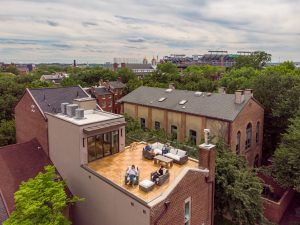
As our country celebrates Black History Month this February, we wanted to take a moment to reflect on the substantial impact Black architects have left on our industry. In the face of systemic discrimination, these visionaries refused to compromise, bringing to the forefront their unique architectural perspectives. They did this while paving the way for other Black architects to follow.
History is not just for books but can be observed in the built environment around us. In this article, we want to put the spotlight on Black architects who helped shape America as a whole, and broke barriers while doing so.
Robert Robinson Taylor (1868-1942)
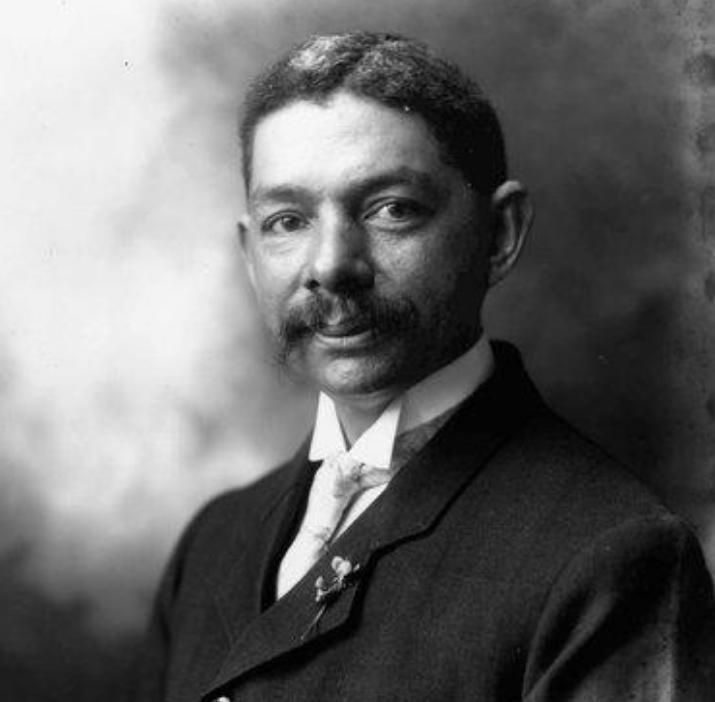
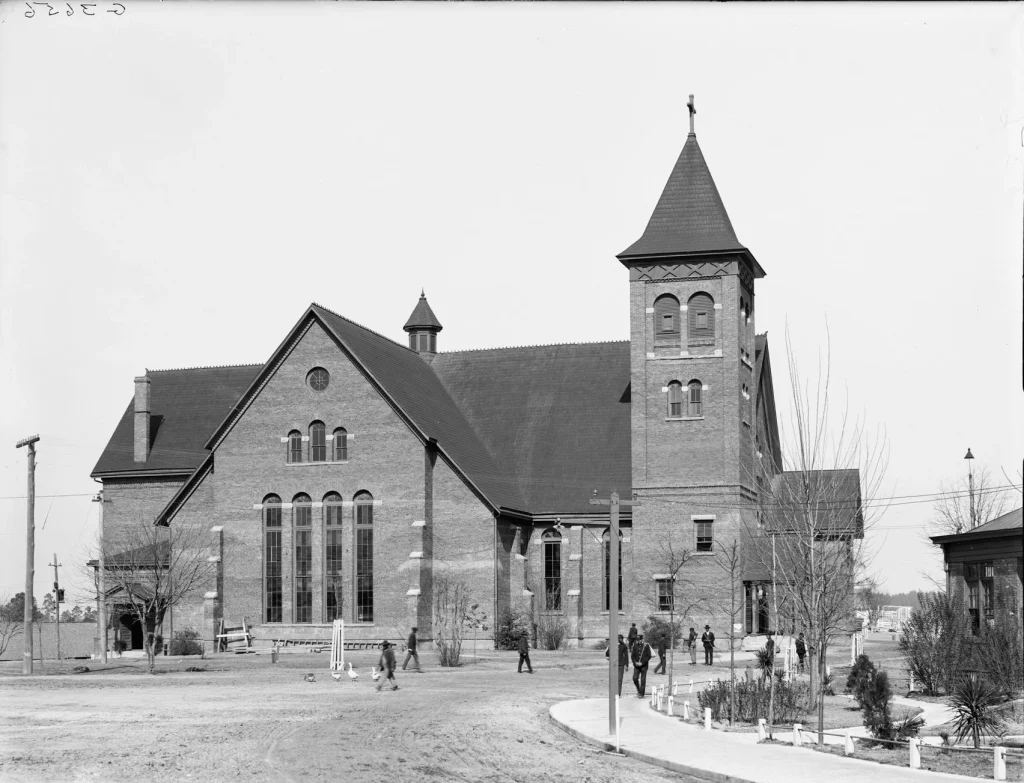
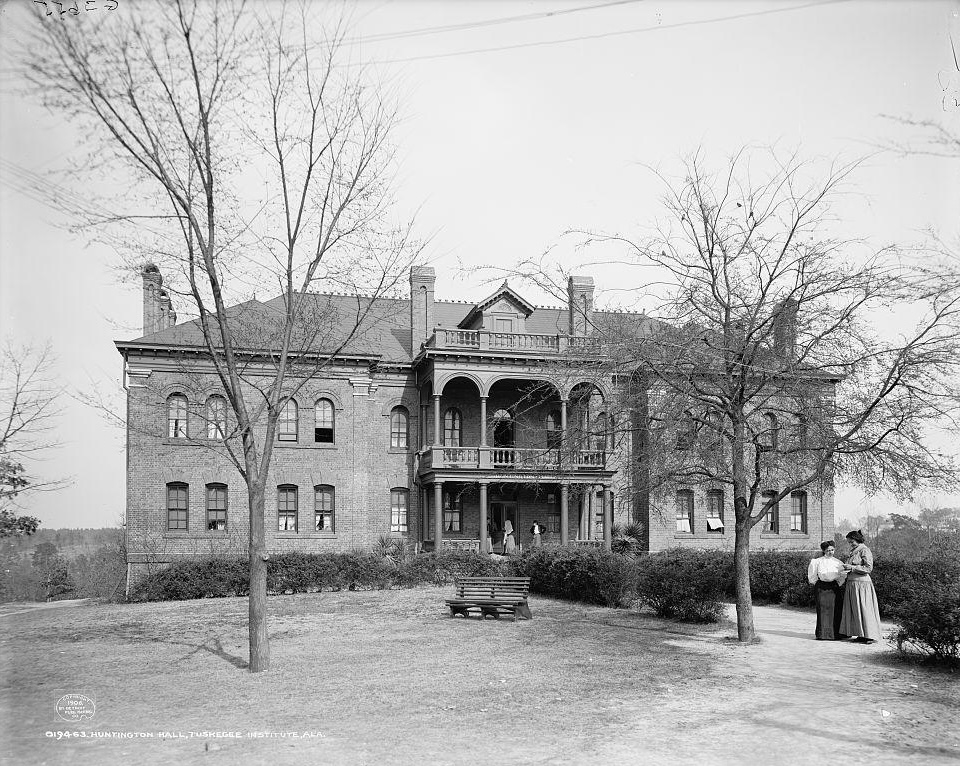
Robert Taylor was born in 1868 to a prominent builder family in Wilmington, North Carolina. He was the first African American student to study at the Massachusetts Institute of Technology (MIT), graduating in 1892. During his time at MIT, Taylor met Booker T. Washington, who invited him to Tuskegee University to direct the quickly expanding campus construction projects. Several of his early projects were built by Tuskegee students, who were taught valuable construction skills in the process. In addition to serving as the Architect of the University, Taylor directed the Mechanical Industries programs. Taylor’s goal was to instill rigorous ideas, approaches, and methodologies in his students that were similar to what he’d learned at MIT.
Outside of Alabama, Taylor designed numerous collegiate buildings in Texas, North Carolina, and Liberia. Tuskegee University’s School of Architecture and Construction Science is named in his honor.

Paul Revere Williams (1894-1980)
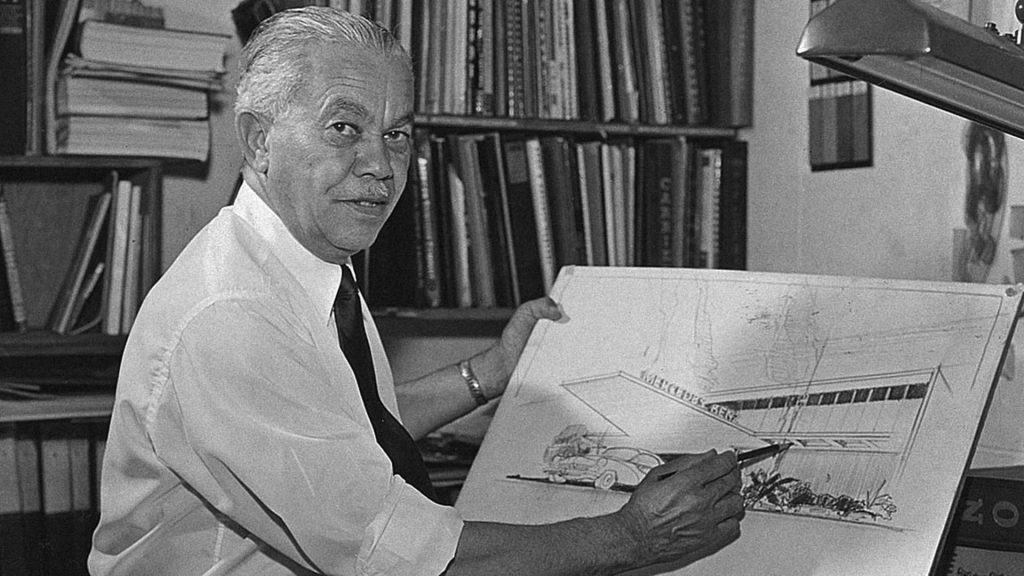
Paul Williams was born in 1894 in Los Angeles, California. As a young student at Los Angeles Polytechnic High School, he was wrongly discouraged from pursuing architecture because of his race. Passionate about the discipline, he refused to adhere to the bias of his teachers and headed down a path of architectural design. After apprenticing at various firms, he became a licensed architect in 1921 and soon opened his own practice. In 1923, Paul became the first African American admitted into the American Institute of Architects (AIA). However, his success did not come without struggles. Williams was known to sit across from white clients and draw upside down to avoid any uneasiness created by sitting next to a Black architect.
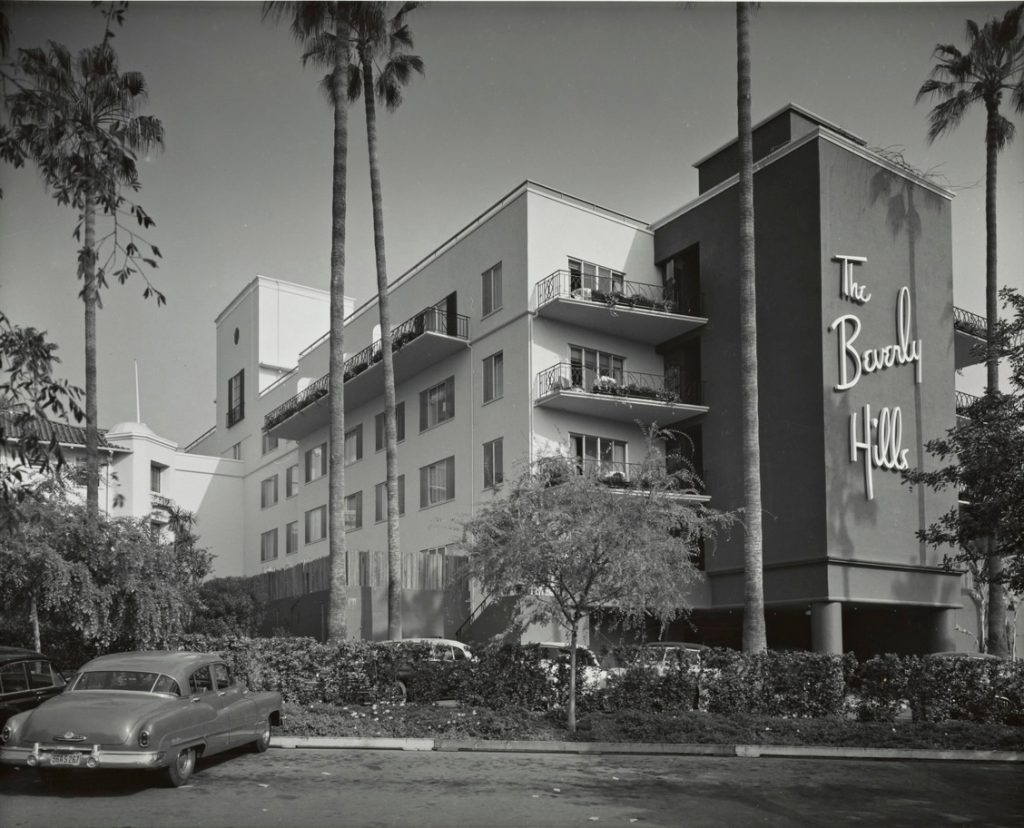
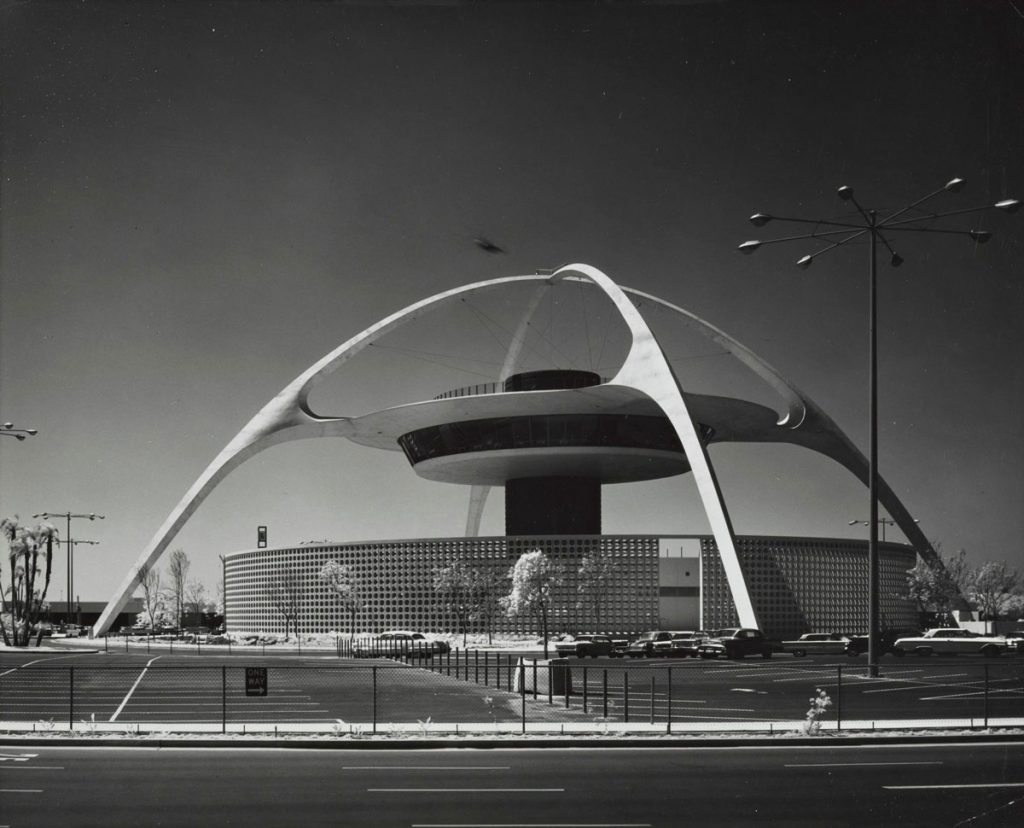
Despite the prevalence of discrimination in the industry, Williams became known as “Hollywood’s Architect.” He designed homes for celebrated entertainment icons, including Lucille Ball and Frank Sinatra. By the end of his career, he was responsible for over 3,000 buildings across the country. In 2017, Williams was posthumously awarded the AIA Gold Medal. He was the first African American to receive this award.

Beverly Loraine Greene (1915-1957)

Beverly Greene was born in 1915 in Chicago, Illinois. Her family had moved north during the Great Migration, and saw education as a path towards Black success – she took this to heart. After obtaining her Bachelor’s of Architecture degree in 1936 from the University of Illinois Urbana-Champaign, Greene proceeded to earn a Master’s Degree in City Planning in 1937. While at the University of Illinois Urbana – Greene was a proud member of the Alpha Nu Chapter of the Delta Sigma Theta Sorority.
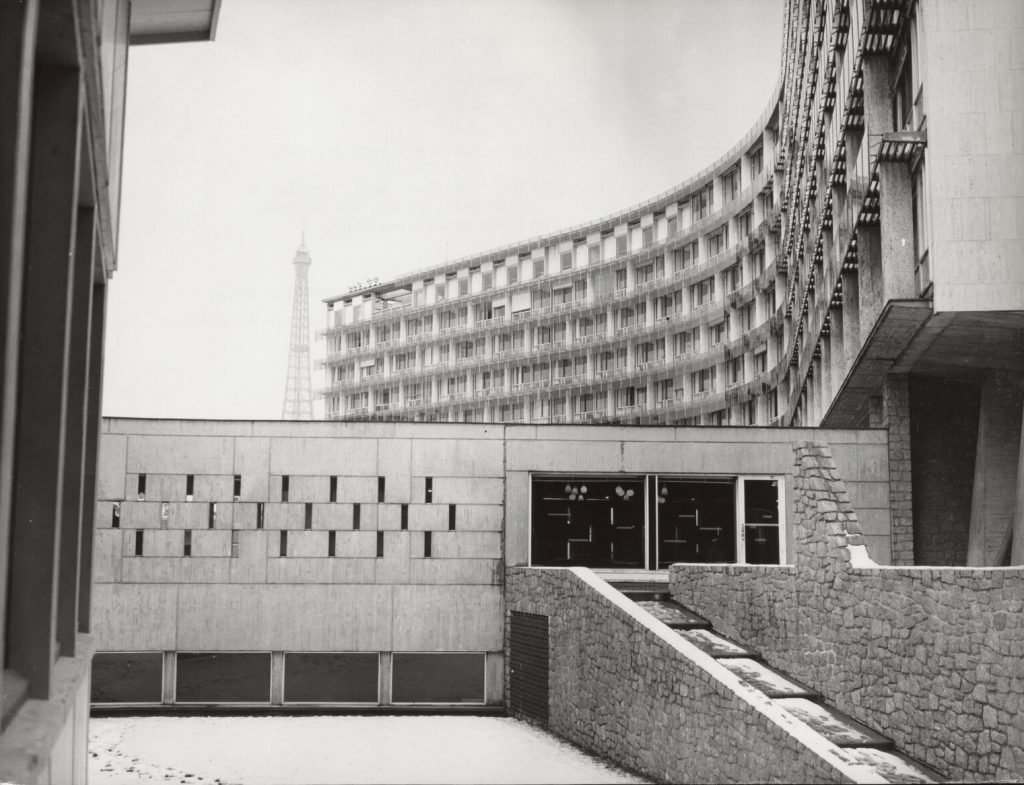
Greene’s professional experience began with the Chicago Housing Authority, specifically as a draftsperson for the Ida. B. Wells Housing Project on the South Side of the City. In 1942, she became the first Black woman to gain licensure in the country. In 1944, she moved to New York for a job, but immediately left the job to return to school. Greene earned her second Master’s Degree, this one in Architecture, in 1945 from Columbia University. She also became an essential advocate and member of the Council for the Advancement of the Negro in Architecture (CANA). During her time in New York, Beverly was hired by several of the top architectural firms in the country including Edward Durrell Stone and Marcel Breuer. While working under Breuer, Greene worked on New York University’s University Heights campus in the Bronx as well as the UNESCO Secretariat and Conference Hall in Paris. Sadly, Greene died after a brief illness in 1957 at the age of 41. She is remembered as a trailblazer and champion for Black women in the architecture profession, and has left an outsized impact on the discipline.

Norma Merrick Sklarek (1926-2012)
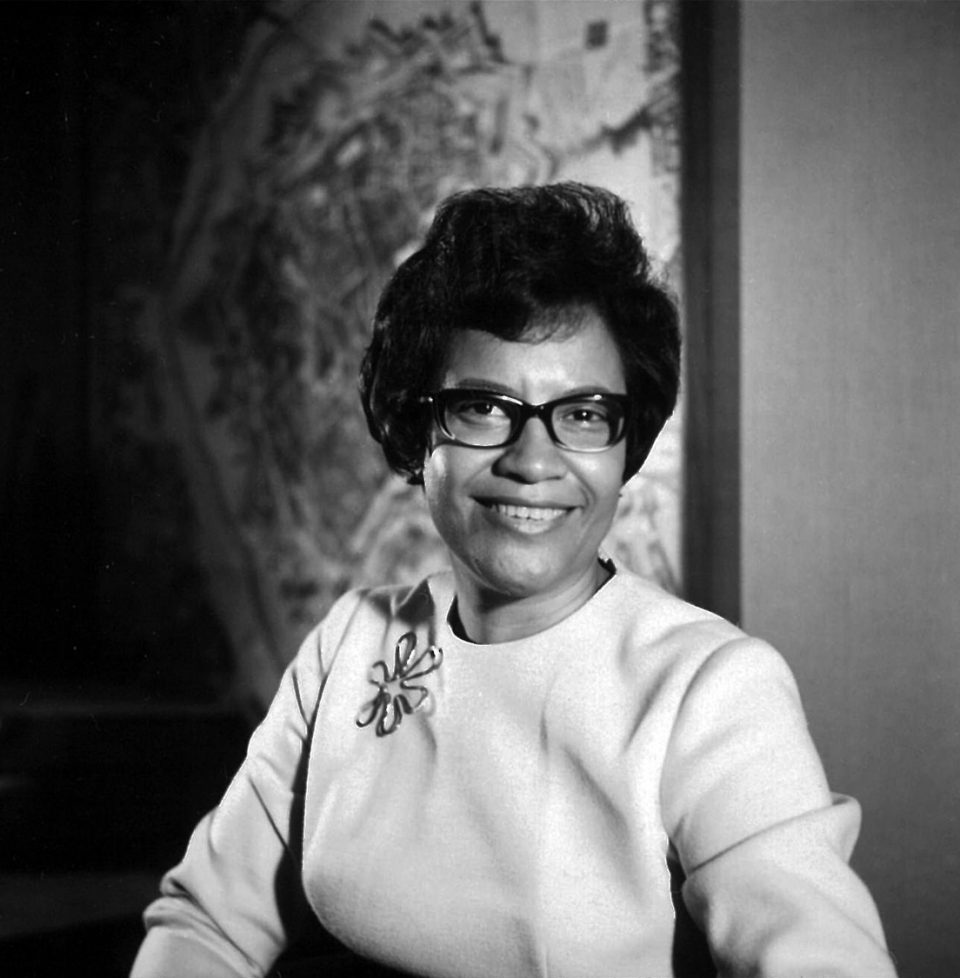
Norma Sklarek (née Merrick) was born in Harlem, New York, in 1926 to Trinidadian immigrant parents. She attended a magnet school for mathematics and the visual arts before enrolling at Barnard College in 1944. Shortly after, Norma transferred to Columbia University where she later graduated with a Bachelor of Architecture in 1950. After being rejected by various architecture firms because of her skin color, Sklarek took a drafting position at New York’s Department of Public Works. Growing bored of the job’s mundanity, Sklarek decided to sit for her architecture license exams and passed on her first attempt – making her the first licensed Black woman architect in New York. In 1955, she accepted a position at Skidmore Owings & Merrill (SOM) where she worked on many large-scale projects. During this time, she also taught architecture at New York City Community College to support two children as a single mother. By 1958, Sklarek had become the first Black woman member of the American Institute of Architects.
In 1960, she moved her family to Los Angeles, California, and took a job at Gruen – where she eventually became the Director of Architecture. In 1980, she became the first Black woman to be elected to the AIA College of Fellows. After leaving Gruen, Sklarek co-founded Siegel Sklarek Diamond in 1985, starting the largest woman-owned architecture firm in the US. She was responsible for monumental projects like San Bernardino City Hall, the US Embassy in Tokyo, and Terminal 1 at LAX. She passed away in 2012 at the age of 85.

Leon Bridges (1932- )

Leon Bridges was born in 1932 in Los Angeles, California. During high school, he was mentored by the famous Black architect, Paul Williams. His college career started at UCLA in 1952, but was interrupted by the Korean War draft. After the war, Bridges worked as a draftsman in Washington State while completing his degree. He finished his Bachelor of Architecture at the University of Washington in 1960. Shortly after, Bridges founded an eponymous firm in 1963 before partnering with Edward Burke in 1966 to form the firm Bridges/Burke. In 1972, Bridges moved east, to Baltimore. Here, he earned his MBA from Loyola and became the first registered Black architect in the state.
He has worked on restoration projects such as Baltimore’s Penn Station and Baltimore City College. Bridges also served as president of the National Organization of Minority Architects (NOMA). In 2005, Bridges became an Assistant Professor at Morgan State University’s School of Architecture and Planning. In addition to being Maryland’s first registered Black architect, he was the first Black man elected to a Regional AIA Director position.

An Iconic Legacy in America
Exploring the stories of these architects helps us understand how the design language of our country pushes forward, even when discriminatory practices try to hold it back. These iconic Black architects refused to let others discourage them from crafting the spaces they wanted to create. Now, we can see and celebrate the impact of their work throughout the country.
We hope you’ll carry forward these stories, and keep them in mind when considering the importance of diverse design perspectives and principles throughout our history, present, and future.
Discover more about the process of architectural design. Check out our recent article on adaptive reuse in Baltimore.